You suspect that expensive gear guarantees perfect photos, but that theory often crashes against reality. Frustration hits when your blurry shots prove that aperture alone won’t save your night sky images. All right, let’s cut through the noise and find the exact tool that fits your specific setup.
| Celestron StarSense Explorer LT 114AZ App-Enabled Telescope | 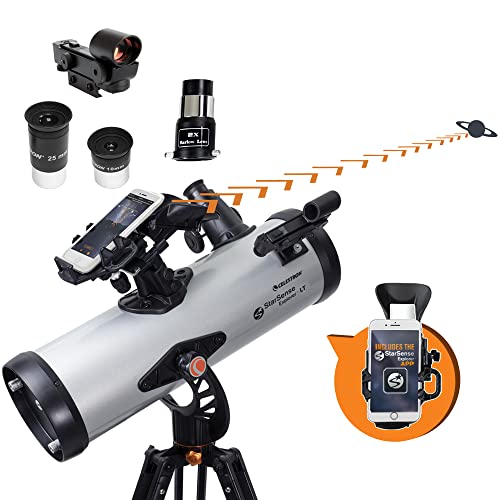 | Best for Beginners | Aperture Size: 114mm | Mount Type: Manual Altazimuth | Smart Connectivity: StarSense App (Smartphone dock) | VIEW LATEST PRICE | Read Our Analysis |
| Celestron Origin Mark II Intelligent Home Observatory Plössl Black/White |  | Professional Grade | Aperture Size: 152mm | Mount Type: Integrated Home Observatory Base | Smart Connectivity: Companion App (Smartphone/Tablet) | VIEW LATEST PRICE | Read Our Analysis |
| DWARFLAB Dwarf Mini Smart Telescope for Astrophotography |  | Most Portable | Aperture Size: Not specified (Sony IMX662 sensor) | Mount Type: Altazimuth and Equatorial | Smart Connectivity: Dedicated App with Cloud Processing | VIEW LATEST PRICE | Read Our Analysis |
| DWARFLAB Dwarf 3 Smart Telescope for Astrophotography |  | Best Dual-Use | Aperture Size: Not specified (Dual lens system) | Mount Type: Altazimuth and Equatorial | Smart Connectivity: Dedicated App with Cloud Processing | VIEW LATEST PRICE | Read Our Analysis |
| Smart Telescope 4K Astrophotography Dual Screen | Best Built-In Screen | Aperture Size: 80mm | Mount Type: Tripod Mount | Smart Connectivity: Built-in Dual Screen (No external app) | VIEW LATEST PRICE | Read Our Analysis | |
| SVBONY SV503 70mm Refractor Telescope for Astrophotography | 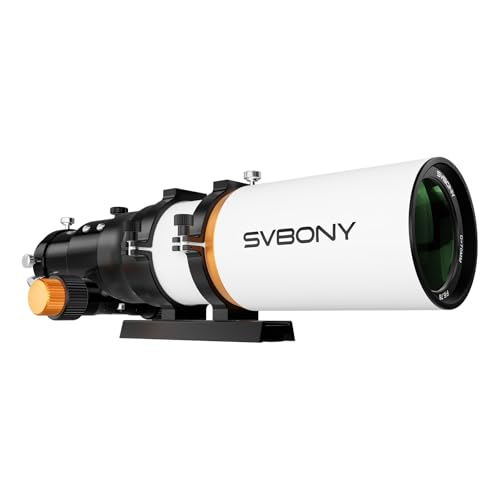 | Best Compact Refractor | Aperture Size: 70mm | Mount Type: Requires separate mount (OTA only) | Smart Connectivity: Requires external camera/computer | VIEW LATEST PRICE | Read Our Analysis |
| Celestron NexStar 8SE Computerized Telescope (8-Inch) |  | Best Overall Performance | Aperture Size: 8-inch (203mm) | Mount Type: Computerized GoTo Fork Arm | Smart Connectivity: NexStar+ Hand Control (WiFi/GPS optional) | VIEW LATEST PRICE | Read Our Analysis |
More Details on Our Top Picks
Celestron StarSense Explorer LT 114AZ App-Enabled Telescope
Staring at complex charts? You’re lost, but this telescope fixes that instantly. Dock your phone, and the app guides you straight to Jupiter. No more guessing where Saturn hides in the dark sky.
Now, the 114mm mirror delivers sharp views of the Moon’s craters. You’ll see nebulae clearly, though deep-sky photography needs extra gear. It’s perfect for beginners who want smart help tonight.
Here’s the thing: you get two eyepieces and a solid warranty. If you hate manual alignment, this one’s definitely for you. Grab it, set up fast, and start snapping stars immediately.
- Aperture Size:114mm
- Mount Type:Manual Altazimuth
- Smart Connectivity:StarSense App (Smartphone dock)
- Primary Use Case:Visual observation and beginner astrophotography
- Warranty Coverage:2-Year US Warranty
- Portability Design:Compact beginner setup
- Additional Feature:Real-time sky recognition
- Additional Feature:Smartphone dock navigation
- Additional Feature:Guided on-screen arrows
Celestron Origin Mark II Intelligent Home Observatory Plössl Black/White
You’re tired of complex setups ruining your night, so this professional-grade system handles the heavy lifting. The Celestron Origin Mark II combines a 152mm RASA optical tube with an intelligent home observatory design. You get ultra-fast f/2.2 imaging that captures stunning deep-sky details without hours of alignment.
Now, consider the intuitive app controlling auto-focus and tracking from your smartphone or tablet. It weighs 41.6 pounds, so it’s not exactly portable for hiking trips up a mountain. This one’s for you if you want backyard convenience over rugged field mobility.
All right, stop guessing and start shooting galaxies tonight with this complete, warranty-backed solution.
- Aperture Size:152mm
- Mount Type:Integrated Home Observatory Base
- Smart Connectivity:Companion App (Smartphone/Tablet)
- Primary Use Case:Professional deep-sky astrophotography
- Warranty Coverage:24-Month Limited Warranty
- Portability Design:Stationary home observatory (41.6 lbs)
- Additional Feature:Ultra-fast f/2.2 system
- Additional Feature:Flat field imaging
- Additional Feature:Auto focus capability
DWARFLAB Dwarf Mini Smart Telescope for Astrophotography
If you’re tired of hauling heavy gear, this 1.85-lb Dwarf Mini is your most portable escape to the stars. You slip it right into your backpack for instant camping adventures. No more sore shoulders from lugging bulky tubes up steep hills.
Now, you control everything via an intuitive app with a live star map. The auto GOTO feature tracks objects while you simply relax and watch. Its Sony IMX662 sensor grabs crisp images even in light-polluted suburbs.
Here’s the thing: you get pro-level EQ mode without the complex setup. This one’s for you if you value speed over massive aperture size. Grab yours and start capturing deep-space wonders tonight effortlessly.
- Aperture Size:Not specified (Sony IMX662 sensor)
- Mount Type:Altazimuth and Equatorial
- Smart Connectivity:Dedicated App with Cloud Processing
- Primary Use Case:Portable astrophotography and travel
- Warranty Coverage:2-Year Warranty
- Portability Design:Ultra-portable pocket size (1.85 lbs)
- Additional Feature:High-sensitivity Sony sensor
- Additional Feature:Built-in light pollution filters
- Additional Feature:Smart cloud processing
DWARFLAB Dwarf 3 Smart Telescope for Astrophotography
Tired of lugging heavy gear? You’ll love the Dwarf 3. It weighs just three pounds, fitting easily into your standard backpack for spontaneous trips. Obviously, portability matters when you hike far.
Now, check its dual lenses. One captures wildlife sharply, while the other snaps stunning Milky Way vistas. You get 4K auto-tracking that follows moving subjects without you lifting a finger.
Here’s the thing: cloud processing via the app enhances images in minutes. You start shooting within two minutes, regardless of age. This one’s for you if simplicity wins. Grab yours and shoot tonight.
- Aperture Size:Not specified (Dual lens system)
- Mount Type:Altazimuth and Equatorial
- Smart Connectivity:Dedicated App with Cloud Processing
- Primary Use Case:Hybrid wildlife and astrophotography
- Warranty Coverage:2-Year Manufacturer Warranty
- Portability Design:Ultra-light backpack friendly (3 lbs)
- Additional Feature:Dual lens imaging system
- Additional Feature:4K auto-tracking
- Additional Feature:One-touch image enhancement
Smart Telescope 4K Astrophotography Dual Screen
You hate fumbling with phones on tripods just to snap a moon pic. This dual-screen scope fixes that mess instantly. You get 4K shots without extra gadgets.
Now, check the 80mm aperture pulling in crisp light. The foldable screen lets you watch while others peek through the eyepiece. Obviously, daylight viewing works thanks to the built-in sunshade.
Here’s the thing: the battery lasts six hours, but auto-shutoff saves power. You store everything on a massive 512GB card easily. This one’s for you if you want simplicity over complexity. Grab it and start shooting tonight.
- Aperture Size:80mm
- Mount Type:Tripod Mount
- Smart Connectivity:Built-in Dual Screen (No external app)
- Primary Use Case:Visual observation and basic imaging
- Warranty Coverage:Not specified in details
- Portability Design:Portable with built-in battery/screen
- Additional Feature:Foldable external screen
- Additional Feature:Built-in sunshade
- Additional Feature:Customizable auto shut-off
SVBONY SV503 70mm Refractor Telescope for Astrophotography
Struggling with blurry edges? This SVBONY scope fixes that instantly. Its built-in field flattener kills curvature so your stars stay sharp. You get bright, true-color images thanks to the ED glass. Obviously, chromatic aberration ruins photos, but this design stops it cold.
Now, consider the dual-speed focuser for ultra-fine tuning. You achieve excellent focus quickly without fighting stiff knobs. The aluminum body stays rigid, blocking annoying vibrations completely. It weighs under three kilos, making travel a breeze for you.
Here’s the thing: you want reliable gear without breaking the bank. This telescope delivers professional results right out of the box. Grab this one if you crave crisp, flat-field astrophotography tonight.
- Aperture Size:70mm
- Mount Type:Requires separate mount (OTA only)
- Smart Connectivity:Requires external camera/computer
- Primary Use Case:Dedicated astrophotography (OTA)
- Warranty Coverage:Lifetime Warranty (OTA)
- Portability Design:Compact optical tube (2.69 kg)
- Additional Feature:Built-in field flattener
- Additional Feature:Dual-speed focuser
- Additional Feature:ED glass optics
Celestron NexStar 8SE Computerized Telescope (8-Inch)
You’re tired of guessing where planets hide in the dark. This 8-inch Schmidt-Cassegrain finds over 40,000 objects for you instantly. Its StarBright XLT coatings grab serious light for crisp galaxy shots.
Now, the f/10 focal ratio means longer exposures but stunning detail. You’ll spot Saturn’s rings clearly without fighting atmospheric blur. Obviously, this heavy tube needs a sturdy tripod, not a cheap one.
Here’s the thing: it’s perfect if you want automation without complexity. Stop wrestling with manual mounts and start capturing deep-sky wonders tonight. Grab this scope and let technology handle the hard work.
- Aperture Size:8-inch (203mm)
- Mount Type:Computerized GoTo Fork Arm
- Smart Connectivity:NexStar+ Hand Control (WiFi/GPS optional)
- Primary Use Case:Visual observation and advanced astrophotography
- Warranty Coverage:2-Year Warranty
- Portability Design:Portable fork mount system
- Additional Feature:40,000 object database
- Additional Feature:SkyAlign technology
- Additional Feature:Autoguider port included
Factors to Consider When Choosing Telescopes for Astrophotography
You’re probably frustrated by blurry stars and shaky mounts that ruin your shots before you even start. All right, let’s cut through the noise on aperture, stability, sensor fit, portability, and smart features so you don’t waste cash. Here’s the thing: picking the right combo turns your frustration into crisp images, and you’ll know exactly which trade-offs fit your setup.
Optical Aperture And Resolution
Aperture is your light bucket, and you need a big one to catch those faint, distant glows. You’re frustrated by dim, blurry shots because your current setup just can’t gather enough light. Obviously, a 152mm aperture grabs way more photons than a smaller one, making galaxies pop.
Now, resolution matters when you want crisp planetary details instead of mushy blobs. Higher aperture sharpens those fine structures, but you’ll need quality glass to avoid weird color fringing. ED glass or dual lenses fix this, giving you true-to-life colors without the headache.
Here’s the thing: low f-numbers like f/2.2 speed up your imaging, saving you hours of exposure time. But wide fields can distort, so grab a flattener to keep edges sharp across the frame. This path is for you if you demand clarity without endless editing.
Stop guessing and pick a scope that actually delivers the stars you’re chasing.
Mount Stability And Tracking
You’ve got the glass, but shaky hands ruin those long exposures faster than a cloudy night. Vibrations distort your images instantly, so you need a sturdy mount to minimize disturbances and guarantee clearer views. Without solid stability, even perfect optics fail you miserably.
Now, tracking capability enables accurate follow-through as celestial objects move across the night sky. Altazimuth mounts offer simple movement, yet equatorial mounts track better by aligning with Earth’s rotation. Obviously, deep-sky imaging demands smooth mechanisms to prevent blurring or star trailing during long shots.
Here’s the thing: a good mount supports autoguiding systems that improve accuracy and reduce manual adjustments. This setup suits you if you crave sharp stars without constant tweaking. Don’t let a wobbly base wreck your hard work tonight. Choose stability now, and watch your photos transform from blurry messes into stunning masterpieces immediately.
Sensor Compatibility And Focus
Although you’ve nailed the mount, mismatched sensors still blur your shots faster than a sneeze at a funeral. You need your digital sensor to match the telescope’s optical design perfectly. Otherwise, you lose light and clarity instantly.
Now, consider your sensor size and type, like CMOS or CCD. These choices impact which focal lengths work best for you. Obviously, wrong pairings create nasty aberrations. Flat-field refractors often save your images from distortion.
Here’s the thing: focus mechanisms must allow precise adjustments. Dual-speed focusers let you make quick coarse changes then fine tweaks. You’ll love locking onto distant stars easily. Adequate back focus keeps your sensor aligned properly too. You might need specific adapters or extension tubes.
This setup isn’t for everyone, but it suits serious shooters. If you want crisp details, prioritize these factors. Don’t guess with your gear. Match everything carefully. Your future self will thank you when reviewing sharp, stunning photos later tonight. Just pick the right combo now.
Portability For Field Use
You’ve got the perfect sensor match, but dragging a heavy tube up a hill kills the vibe fast. Nobody wants back pain ruining their astrophotography session before you even start shooting.
Aim for gear under five pounds so you can toss it in your backpack easily. Compact designs folding under twenty-four inches fit perfectly into standard travel bags or small cars. Obviously, lugging a massive observatory rig to remote spots isn’t practical for most folks.
Altazimuth mounts often beat equatorial ones for pure mobility and simpler assembly in the dark. Quick-setup features let you deploy faster, giving you more time actually capturing those stunning night skies. This setup works best if you chase clear skies across different locations regularly.
Now, choose lightness without sacrificing stability, and your next field trip becomes a breeze rather than a burden.
Smart Features And Automation
Since hunting for faint galaxies in the dark feels like finding a needle in a haystack, let’s talk smart tech. You hate guessing where stars hide, right? App integration hands you interactive maps and guided directions instantly.
Now, automation changes everything. Auto GOTO tracking and computerized alignment slash your setup time dramatically. You stop wrestling with knobs and start shooting faster. Obviously, beginners love this ease.
Here’s the thing: built-in cloud processing enhances images automatically for everyone. Dual imaging systems let you capture wide deep-space shots or detailed terrestrial views easily. User-friendly apps give real-time feedback so you tweak settings quickly.
This gear suits you if you want high-quality results with minimal fuss. It won’t fix bad weather, though. Honestly, some pros still prefer manual control for specific projects. But for most, this tech removes the headache entirely.
Choose smart features today and watch your night sky photos transform immediately.
Battery Life And Power
While you’re hunting for that perfect shot, nothing kills the vibe faster than a dead battery mid-exposure. You need power lasting hours, not minutes, because astrophotography demands endurance. Some scopes pack 4500mAh cells giving you roughly six hours of runtime. That’s enough for most nights, but maybe not all.
Now, consider your gear’s total hunger. Cameras and tracking motors drain juice quickly too. Ignoring their consumption ruins your careful planning instantly. Smart auto shut-off features help conserve energy when you pause. They’re small saviors during long waits.
All right, here’s the real trick: bring external power banks. They extend sessions indefinitely without swapping cells. Obviously, this adds weight, but it beats packing up early. This approach suits serious shooters best. If you hate tethering cables, stick to big internal batteries. Choose based on your tolerance for gear versus runtime. Don’t let darkness win because you miscalculated watts. Plan smart, shoot longer, and capture everything.
Warranty Coverage And Support
Something always feels off when you’re staring at a pricey scope without knowing if it’ll break in a month. You need real protection, not just a shiny box. A solid two-year warranty covers those nasty manufacturing defects right out of the gate.
Now, check for extended options that keep your gear safe longer. Obviously, things break, so extra parts coverage saves your wallet later. You also want direct access to specialists who actually know how to fix your specific rig.
Here’s the thing: clear return policies let you bail if the scope misses the mark. Even post-warranty maintenance services keep your optics sharp for years. This support matters most when you’re chasing faint galaxies at 3 AM.
Pick a brand that stands behind its glass, and you’ll shoot with total confidence. Your night sky deserves that kind of reliability tonight.