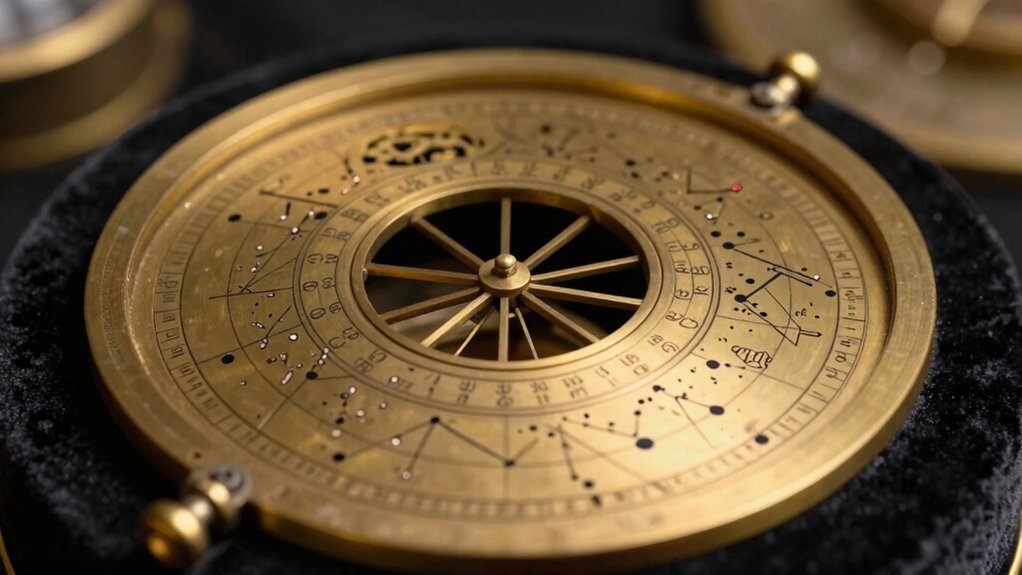
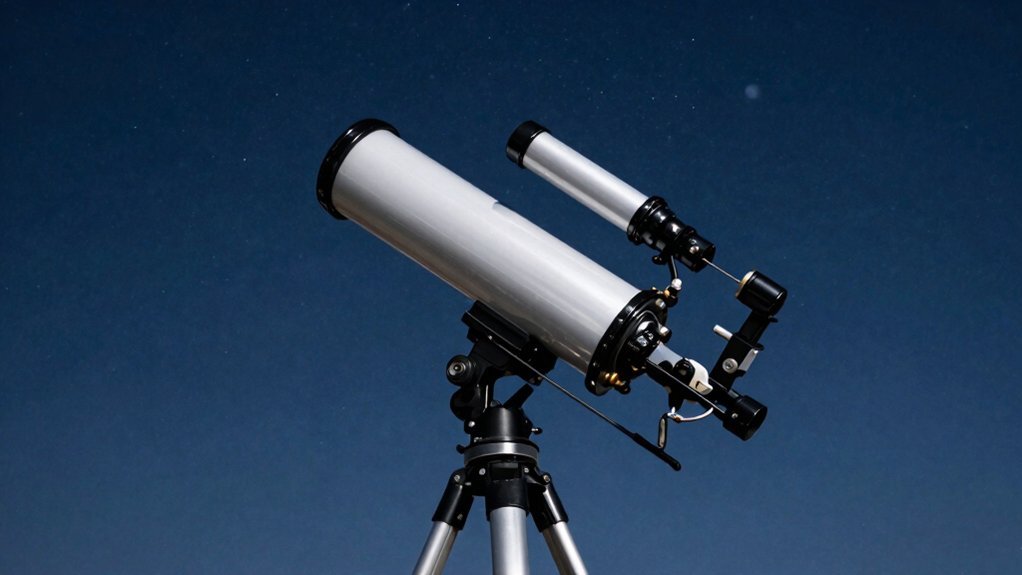
You’re wondering what pirates really called their telescopes, and you’re right to question the movie myths. They actually grabbed a “spyglass,” not a telescope, to spot distant sails early. While films show constant use, sailors only pulled these brass tubes for specific tactical advantages like finding safe paths. Now you know the real name, but uncovering how their simple lenses gathered enough light to change history awaits you.
What Is a Pirate Telescope Actually Called?
You’ve probably wondered what pirates actually called those brass tubes they scanned the horizon with. Most people assume “telescope,” but that’s too broad for your specific pirate curiosity. You need the real historical terminology to sound like an expert on deck today.
The answer is simple: they called it a spyglass. This handheld device was essential for maritime navigation during the Golden Age of Piracy. Sailors used it to spot distant ships or land while scanning the vast ocean horizon. It wasn’t some magical pirate invention, just a standard tool made of wood or brass. Understanding how optical magnification works reveals why these compact instruments were so effective for spotting targets at sea despite their simple construction. These early optical devices evolved significantly from the first telescopes created in the Netherlands during the early 17th century before becoming standard issue for sailors. Unlike modern instruments that rely on complex mirror systems, these early models utilized refracting lenses to bend light and enlarge distant images for the viewer.
Now you know the accurate name isn’t “pirate scope” or “monocular telescope.” Stick with spyglass when discussing these classic seafaring instruments in your next conversation. Ready to learn why sailors gave it such a funny nickname next?
Why Did Sailors Call It the “Bring-Em-Closer”?
That nickname “bring-em-closer” sounds like pure pirate slang you’d hear in a movie. You probably wonder if real sailors actually shouted this phrase while scanning the horizon. Honestly, they likely didn’t use it much, but the idea makes perfect sense.
The nickname origins stem directly from the tool’s simple function: making distant ships appear near. You see a faraway sail, look through the glass, and suddenly it feels closer. This descriptive language fit the rough, practical life aboard a wooden ship perfectly.
However, you must consider the historical context before believing every pirate movie line. Real mariners usually said “spyglass” or “perspective” instead of this colorful folk term. Modern stories amplified the phrase, turning a functional description into legendary pirate lingo. Understanding the optical magnification provided by these early instruments clarifies why such a literal nickname resonated with crews despite their formal terminology. Just like modern stargazers compare telescope optics to find the best view, sailors relied on the specific lens quality of their spyglasses to distinguish friend from foe on the horizon. The effectiveness of these early devices depended heavily on the light gathering capability of their lenses to reveal dim details against the bright sea.
How Did Pirates Use Spyglasses at Sea?
How exactly did pirates turn a simple tube of glass into their most deadly weapon? You’d climb the mast, extend your collapsible spyglass, and scan the horizon for miles. This early detection gave you a massive tactical advantage over unsuspecting merchant vessels.
Now, imagine spotting a rich galleon while it remains just a speck to others. You monitor every sail, judging if that ship is armed, vulnerable, or worth the chase. Effective ship monitoring lets you decide instantly whether to attack, hide, or simply sail away.
Obviously, seeing land or hazards first keeps your crew alive during rough voyages. You use this tool to read clouds and birds, finding safe paths through dangerous waters. Your handheld glass transforms vague shapes into clear targets for your next bold move.
Mastering this view means controlling the sea before anyone else even knows you’re there. Ready to learn what built these incredible tools? Unlike modern instruments that rely on complex optics, these early spyglasses used simple lenses to magnify distant objects for tactical survival. Understanding the specific lens configuration reveals how these compact devices achieved such critical magnification despite their rudimentary design. The effectiveness of these devices relied heavily on the quality of the objective lens to gather enough light for clear viewing in low-visibility conditions.
What Materials Were Traditional Spyglasses Made Of?
Brass, wood, and glass formed the backbone of every traditional spyglass you’d find on deck. You might wonder why pirates chose these specific items for their essential tools. Brass resisted salty corrosion perfectly, while wooden barrels kept things light. Leather often wrapped the outside to protect your grip during rough storms.
Now, consider how spyglass construction really impacted your view at sea. Craftsmen hand-ground optical glass using flint or crown silicates for clarity. Obviously, lens quality varied wildly between a cheap sailor’s tool and a captain’s luxury piece. Some rich owners even added silver or ivory trim to show off status. But function always beat fancy decorations when you needed to spot land fast. While these materials served sailors well, modern telescope enthusiasts prioritize advanced optical coatings and stable mounts to achieve far greater magnification and clarity than historical instruments ever allowed. Simple diagrams often illustrate how these lens arrangements bend light to create a magnified image for the viewer. Unlike the unstable handheld spyglasses of the past, today’s observers rely on stable mounts to keep celestial objects steady in the field of view.
You now understand exactly what built those iconic pirate instruments. Next, you’ll want to know how these old designs compare to today’s gear.
How Does a Spyglass Differ From a Modern Monocular?
You’ve got the old brass and wood down, but now you’re wondering why modern gear uses different names. It’s a fair question since terms often blur together in casual conversation today.
Here’s the thing: classic spyglass features include long tubes and Galilean lenses for high-power, focused naval viewing. These instruments stretch out to capture distant ships clearly across the open sea.
Monocular advantages shine in their compact size and internal prism systems that keep everything lightweight. You’ll find they offer 8x to 10x magnification perfect for quick hiking or birdwatching trips.
Obviously, spyglasses prioritize range while monoculars favor portability and a wider field of view. One needs steady hands or a tripod, but the other fits right in your pocket easily. While modern optics often utilize internal prism systems to fold light paths for portability, the traditional spyglass relies on a straight linear design that limits its compactness. Understanding these optical design differences is crucial for selecting the right tool for your specific viewing needs. Modern telescopes frequently employ Porro prisms to invert images correctly within a shorter physical tube length compared to older straight-tube models.
Do Movies Exaggerate Pirate Telescope Usage?
Honestly, do films trick you into thinking pirates held spyglasses every single second? You probably suspect that constant scanning is pure movie exaggeration. Real pirates actually used these tools far less often than Hollywood suggests.
Now, consider how cinema turns a simple navigation aid into dramatic pirate iconography. Directors love showing captains posing with polished brass tubes to signal authority instantly. This visual shorthand makes the spyglass seem like a mandatory costume piece rather than a situational tool.
Here’s the thing: historical records show sailors only grabbed telescopes for specific tasks like spotting targets. They didn’t walk around holding them like magical wands of command all day long. The real instrument served practical needs, not theatrical flair or endless horizon gazing. While movies focus on drama, understanding how to choose the right optics based on performance and cost reveals why these tools were reserved for critical moments rather than constant display. Modern stargazers face similar decisions when evaluating optics and performance to ensure their equipment matches their specific viewing goals rather than just cinematic appeal. Just as film dramatizes usage, actual telescope enthusiasts rely on expert-backed guidance to select instruments that prioritize clear, practical insights over stylistic presentation.
Are Modern Pirate Spyglasses Authentic or Replicas?
So, how do you actually tell if that shiny brass tube is a real relic or just a cool replica? You check authenticity markers like age and materials immediately. Genuine pieces date back to the 17th or 18th centuries, not last week.
Real brass and wood signal quality, while painted tin screams fake. Modern optics often reveal modern manufacture too quickly. High-quality coatings didn’t exist during the Golden Age of Piracy.
Provenance remains your strongest tool for replica identification. A documented history beats a vague story every single time. Without proof, assume it’s a decorative reproduction.
Most market items are simply themed gifts. They look great but lack historical weight. You need verified ownership to claim true antiquity.
Treat unverified finds as fun decor. Seek expert appraisal for serious claims. Now you know exactly what separates history from Hollywood props. For those seeking functional stargazing tools rather than historical artifacts, understanding optical coatings is essential for maximizing light transmission in modern instruments. Selecting the right aperture size is equally critical when transitioning from collecting antiques to observing celestial objects effectively.
Where Can You Buy High-Quality Pirate Spyglasses?
Where exactly do you find a spyglass that looks the part without falling apart? You need brass construction and collapsible designs that actually survive handling. Don’t settle for cheap plastic imitations that break immediately.
Specialty nautical shops like Everything Nautical or French Meadows serve as premium retailers for curated maritime pieces. They stock authentic-looking items perfect for serious home décor displays.
Online platforms such as Etsy offer unique handmade variations with distinct character. Amazon provides fast comparison shopping, but you must check buyer reviews carefully. Always verify material descriptions before purchasing any telescope today. For instance, the DANGSHAN Retro Pirate model features a premium leather handheld part covered for protection alongside its brass and aluminum-alloy plating.
You now know exactly where to hunt for quality gear without wasting money. Which specific style fits your current nautical collection best?